

-
About Us
-
-
-
Contact Us

Product classification
Contact
Telephone:400-8466123
E-mail:info@hjgdirll.com

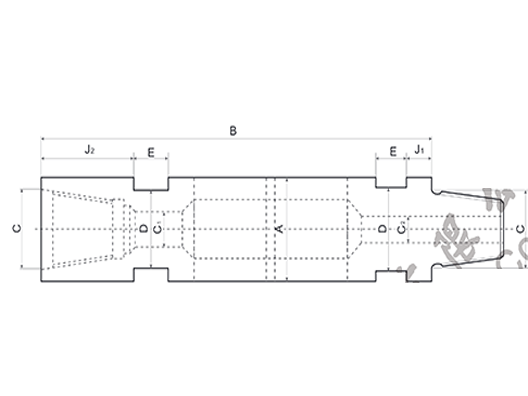
The down-the-hole (DTH) hammer is a type of impact drilling tool. Unlike other drilling tools, it remains at the bottom of the hole during the drilling process, with the hammer directly impacting the drill bit to break rock. Compressed air enters the hammer through the drill rod and is then expelled from the drill bit, with the discharged exhaust used for flushing cuttings. The rotational motion of the hammer is provided by a rotary head, while the axial thrust is supplied by a thrust mechanism, transmitted to the hammer through the drill rod.
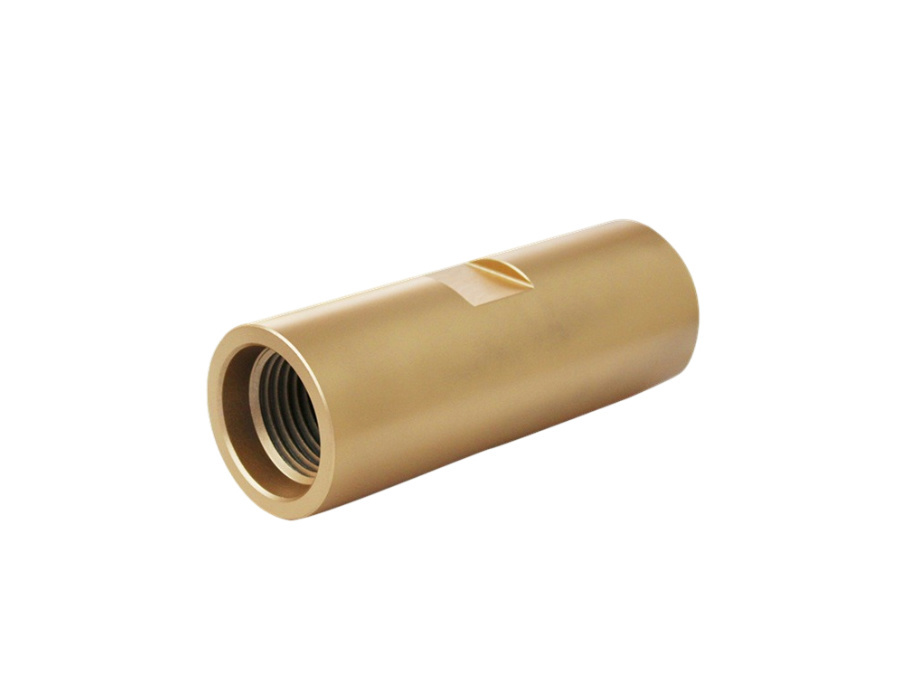
The down-the-hole (DTH) hammer is a type of impact drilling tool. Unlike other drilling tools, it remains at the bottom of the hole during the drilling process, where the hammer directly impacts the drill bit to break rock. Compressed air enters the hammer through the drill rod and is then expelled from the drill bit, with the discharged exhaust used for flushing out debris. The rotary motion of the hammer is provided by the rotary head, while the axial thrust is supplied by the thrust mechanism, transmitted to the hammer through the drill rod.

The down-the-hole (DTH) hammer is a type of impact drilling tool. Unlike other drilling tools, it remains at the bottom of the hole during the drilling process, with the hammer directly impacting the drill bit to break rock. Compressed air enters the hammer through the drill rod and is then expelled from the drill bit, with the discharged exhaust used for flushing out debris. The rotational motion of the hammer is provided by the rotary head, while the axial thrust is supplied by the thrust mechanism, transmitted to the hammer through the drill rod.
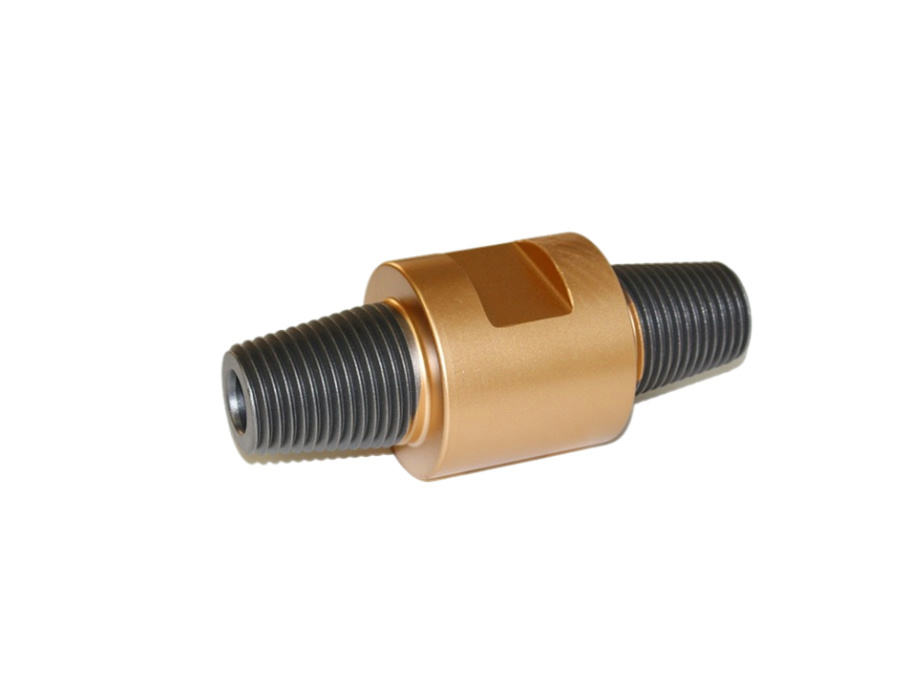
The down-the-hole (DTH) hammer is a type of impact drilling tool. Unlike other drilling tools, it remains at the bottom of the hole during the drilling process, with the hammer directly impacting the drill bit to break rock. Compressed air enters the hammer through the drill rod and is then expelled from the drill bit, with the discharged exhaust used for flushing cuttings. The rotary motion of the hammer is provided by the rotary head, while the axial thrust is supplied by the thrust mechanism, transmitted to the hammer through the drill rod.

During the drilling process, when a stuck condition occurs, the reverse impactor helps you overcome difficulties. The reverse impactor can be installed on the drill pipe joint located between the drilling clamp and the rotary head, creating an effective combination of reverse impact and vibration.
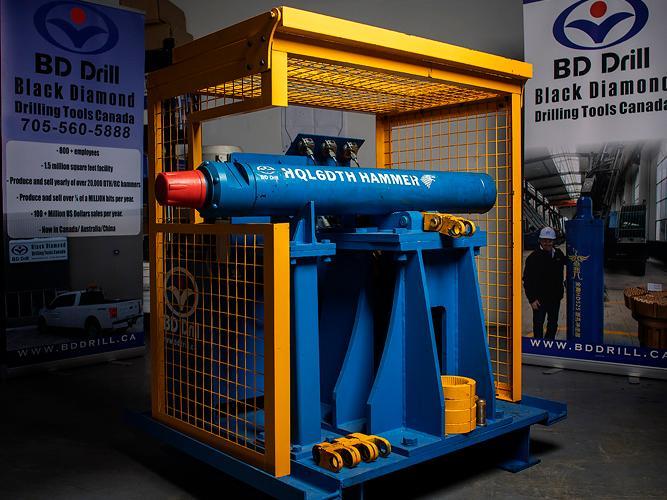
The disassembly platform can be conveniently placed in the workshop or maintenance site. Its operation is simple, allowing for quick disassembly and maintenance. There are two options available: manual and automatic.


